
Introduction
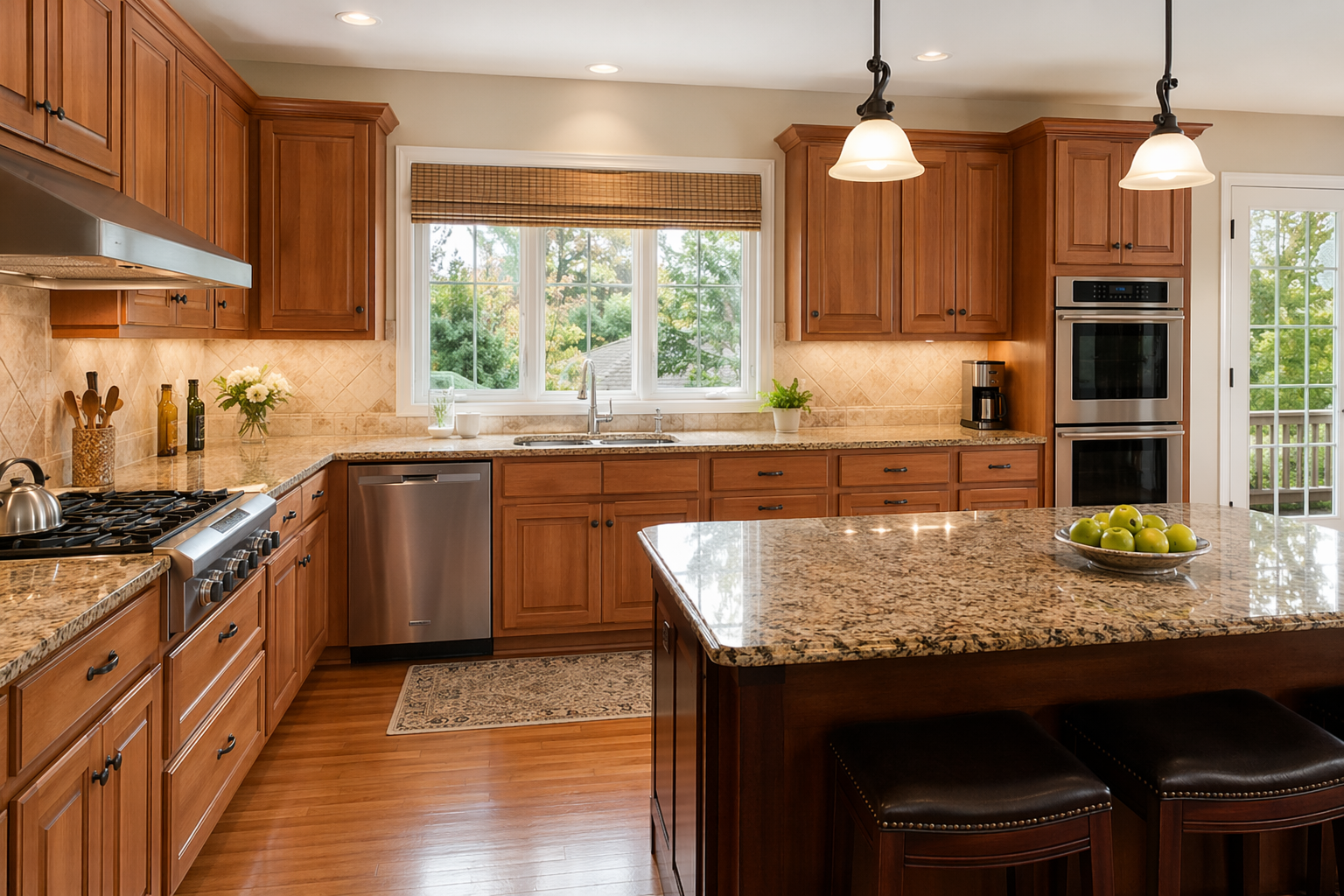
Wood kitchen cabinets bring warmth and function to your space. But cabinets can pick up grease, dust, and other messes faster than you might think. If you are wondering how to clean wood kitchen cabinets, it is important to use the right cleaning methods and avoid harsh products that can damage the wood. Proper care keeps your wood cabinetry looking great and prevents buildup from becoming sticky or difficult to remove. In Charlotte, NC, MyNewSurface helps homeowners make better choices for surface care, and that starts with learning the safest way to clean and maintain cabinets.
Understanding Wood Kitchen Cabinets and Their Unique Needs
Wood cabinets need to be cleaned with care because they are softer than many other materials used in the kitchen. Over time, things like grease, dust, and water can sit on wood surfaces. This is more likely to happen in areas where you cook a lot. If you do not clean these messes, they can change how wood kitchen cabinets look and work.
To clean wood cabinets and keep them looking good, use a gentle soap, not too much water, and soft cloths or sponges. This is important because the wood finish and the wood fibers can be harmed if you use rough products. MyNewSurface often tells Charlotte homeowners to handle wooden cabinetry gently from the very beginning. The kind of wood finish and the type of cabinet make a big difference in how you should clean them.
Common Types of Wood Cabinets Found in Charlotte, NC Homes
Across Charlotte, NC homes, you will commonly see a mix of older and newer wood kitchen cabinets. Some are solid wood cabinets with a more natural look, while others are wooden cabinets with a protective topcoat designed for easier upkeep. In both cases, cleaning should match the cabinet build and visible condition.
| Cabinet type | What to know before cleaning |
|---|---|
| Solid wood cabinets | Can be durable, but excess moisture may affect the material over time |
| Finished wood cabinetry | Surface protection helps, but harsh cleaners may strip or dull the coating |
| Older wooden cabinets | Often need lighter pressure because grime may sit on aging surfaces |
That is why a one-size-fits-all method rarely works. MyNewSurface, known across Charlotte for flooring, countertops, tile, and remodeling expertise, encourages homeowners to first identify what kind of wood cabinetry they have before choosing any cleaner or tool.
How Finish Impacts Your Cleaning Approach
Not every wood finish reacts in the same way to soap, water, or rubbing. Some kitchen cabinets have strong sealing, but others show signs of use faster, especially near handles, corners, and edges at the bottom. That means you need to protect the coating and still get rid of grease and dust from cabinet surfaces.
In most homes, you only need a few simple things. Grab a soft cloth, a damp microfiber cloth, a dry microfiber cloth, and a soft brush or toothbrush for tight spots. These tools work well to clean wood cabinets, including cabinet doors and handles. You can do this without scratching cabinet surfaces or pushing dirt deep into the wood finish.
If the wood finish is already worn out, rough cleaning can make it worse. MyNewSurface tells people to use light pressure first, then push harder only when needed. This way, Charlotte homeowners can keep their kitchen cabinets looking good and avoid more damage when they clean wood cabinets.
Essential Tools and Cleaning Supplies for Wood Cabinets
You do not need a big kit to keep wood cabinets in good shape. You just need a gentle cleaning product, a soft cloth, a damp cloth, and a dry cloth for most cleaning. Use these on cabinet doors and other spots you can see. The main idea is to keep things under control when you clean and not make wood really wet.
The best things to use at home for wood cabinets are mild dish soap, warm water, a little bit of white vinegar, and some baking soda for tough spots. MyNewSurface tells people in Charlotte that using simple and safe things works better than harsh products most of the time. After this, you can see how pantry items stand up to things you find in stores.
Must-Have Household Products Versus Commercial Cleaners
For everyday care, you can use things you already have at home to clean kitchen cabinets safely. Mild dish soap mixed with warm water makes a good cleaning solution. It cuts through grease and is gentle on the wood. You can use a little white vinegar, but be careful. If you use too much, the acid may ruin the finish.
Some helpful things to use are:
- Mild dish soap and warm water work well for routine wiping
- White vinegar in very small amounts helps get rid of soap left behind
- Baking soda paste can help with sticky stains in one spot
- Wood cleaners you buy in stores, if you use them the way it says on the label
- Murphy’s Oil Soap or Weiman Wood Cleaner to focus on wood care
So, can you use vinegar or dish soap on wooden cabinets? Yes, but dish soap is the better choice to use all the time. MyNewSurface says to test any cleaning solution on a small, hidden spot first, especially if you have older kitchen cabinets or worn-down finishes at home in Charlotte.
Choosing Safe Tools: Cloths, Brushes, and Sponges
The right tools help you clean wood cabinets well. These tools do not leave scratches or moisture damage on the surface. When you clean wood cabinets, soft materials are best. You want a tool that picks up stuff from doors, handles, and corners but still keeps the finish safe.
Recommended tools include:
- A clean microfiber cloth for general wiping
- A damp microfiber cloth for grease and surface film
- A dry microfiber cloth for immediate drying
- A soft brush or toothbrush for hardware and crevices
Do not use steel wool, rough scrub pads, or anything that feels rough. These can hurt the finish and make marks on the cabinets. MyNewSurface says Charlotte homeowners should keep some cabinet-safe cloths to use. This is important when you are cleaning kitchen surfaces or doing any big work in your home.
How to Prepare Your Cabinets Before Cleaning
Getting ready before cleaning cuts down risk. Before you start to clean wood cabinets, check cabinet doors, handles, and the corners for any heavy buildup. Make sure you get dust and crumbs off first. You do not want these to spread across cabinet surfaces when you use water.
To help wood kitchen cabinets from getting hurt by water or cleaning products, use damp, not wet, materials. Dry everything right away. MyNewSurface tells you to get things ready before you clean, especially in Charlotte homes where kitchens get a lot of use and grease can build up fast. The steps below make it easy to get prepared and keep your kitchen cabinets in good shape.
Removing Dust, Crumbs, and Surface Debris
Start dry if you can. Everyday dust, crumbs, and other loose things can sit on cabinet surfaces a long time before grease shows. If you use cleaner too soon on dirty wood cabinetry, it may just move the grime around and not take it off.
Here is a simple way to get started:
- Wipe away visible dust and crumbs using a dry cloth first
- Use a soft cloth to work around trim, corners, and edges
- If there is any stuff left, go over it with a damp cloth
- Have a second dry cloth ready for fast drying
This first step lets you spot things like sticky handles or splatters by the stove. MyNewSurface always tells Charlotte homeowners that good cabinet cleaning is about being patient when you get the surface ready. You do not need stronger cleaning spray or to scrub harder at first—just a good cabinet surface prep with a dry cloth and a soft or damp cloth where needed.
Protecting Countertops, Flooring, and Hardware
Cleaning wood cabinets does more than just clean the cabinets. Water or cleaner drops can end up on countertops or floors. Wet spots can also build up near hinges, knobs, and handles. This is why you should set up your space right before you start cleaning kitchen cabinets.
To keep your wood kitchen cabinets and other parts safe, use cloths that are wrung out well. Do not spray cleaner straight on the cabinet surfaces. Put the cleaner on your cloth instead. This helps you have more control and keeps cabinet surfaces and kitchen hardware from getting too wet. It is important for older wood cabinets or places where there are open hardware spots.
MyNewSurface, a trusted expert for Charlotte, says you should think about the whole kitchen, not just the wood cabinets. When you guard the things around your cabinets, you keep them and the rest of your kitchen safe during cleaning. This way, you can clean wood cabinets without making more problems for your kitchen.
Step-by-Step Guide: Cleaning Wood Kitchen Cabinets the Right Way
A good way to clean wood cabinets is to use warm water, a bit of mild dish soap, and gentle wiping. This will help you get dust and dirt off the cabinet surfaces. You should not have to use a lot of force on your wood cabinets. For most people, this is all you need for regular cleaning.
If you see sticky spots or a lot of dirt that has been there for years, you may have to try deep cleaning. You can use baking soda made into a paste or a wash with light vinegar for these spots. MyNewSurface tells Charlotte homeowners to use these same steps to keep their wood cabinets safe during kitchen work and cleaning.
Tackling Everyday Dirt and Grime Without Damage
For day-to-day mess on your kitchen cabinets, keep to a simple method. The best way to clean wood kitchen cabinets and not harm the finish is to use mild dish soap, warm water, and a soft cloth. Make sure the cloth is not too wet. This mix helps get rid of film and food stuck on cabinet surfaces but will not take off the top layer.
Here’s what you do:
- Mix a few drops of mild dish soap into some warm water
- Take a soft cloth and dip it into the water, then wring it out well
- With light pressure, wipe the cabinet surfaces
- Wipe the handles and the edges well
- Dry the area once you’re done to keep up regular cleaning
This way to clean works well for most wood kitchen cabinets in busy homes. MyNewSurface says it’s a good idea to add this easy cleaning to your regular routine, mostly in Charlotte kitchens, where cooking can quickly lead to oil and mess on spots near where you prep food or cook.
Best Methods to Remove Grease and Sticky Buildup
Sticky residue often builds up when cooking grease mixes with dust and water over time. To get rid of it, fill a bowl with warm water and dish soap. Wipe the spot with a soft cloth. If the greasy or sticky stuff has been there a long time, spend more time cleaning each spot. Do not use more power on all areas.
A careful way to clean can be:
- Start by wiping with dish soap and warm water
- Use a toothbrush and some baking soda to clean small spaces
- Wipe again with a little white vinegar and water to get off any leftover soap
- Lemon juice can help for a gentle clean, as pantry-based methods suggest
If the sticky grime has built up over years, clean slowly. Do not scrub too hard. MyNewSurface says Charlotte homeowners should take care of their kitchen cabinets and finish first. This is to make sure kitchen cabinets are easy to restore later when the kitchen cabinets surface is not scratched or soaked through.
Conclusion
To sum up, taking care of wood kitchen cabinets means you have to think about what they need. If you use the right tools and ways to clean, your kitchen cabinets will stay looking good. This helps them stay nice and last longer. MyNewSurface can help you at every stage. They will show you how to clean kitchen cabinets, pick safe products, and keep your wood kitchen cabinets in good shape. If you keep up with cleaning, your kitchen looks better and your cabinets will last for many years. If you want to redo your kitchen or have questions, you can contact MyNewSurface. They can help anyone with home changes in Charlotte, NC.
Frequently Asked Questions
Can I Use Vinegar or Dish Soap Safely on Wood Cabinets?
Yes. Dish soap is a good and safe option to clean wood cabinets every day. It does a good job of taking off grease, but is not too rough on cabinet surfaces. You can also use white vinegar, but you should put just a small amount in water first. MyNewSurface says you need to use it only a little bit if you clean wood cabinets this way.
Are Commercial Products Like Murphy Oil Soap Safe for All Cabinet Finishes?
Murphy Oil Soap is a cleaning product that people often use for wood cabinets. Weiman Wood Cleaner is also a popular option. But, not every wood finish will react the same to these cleaning products. MyNewSurface says you should try out any wood cleaner first. Be sure to read all directions before you use it on your kitchen cabinets.
How Often Should I Clean My Kitchen Cabinets for Optimal Maintenance?
Regular cleaning helps keep your wood kitchen cabinets looking good. You should do light cleaning often, especially around where you cook. Deeper cleaning of your cabinets can be done every few months. How often you clean depends on how much you use your kitchen. MyNewSurface says steady care works best to clean cabinets and protect your wood cabinetry.